


- Crafted from top-quality silk fabric for comfort and style.
- Captivating print design adds sophistication and uniqueness to your ensemble.
- Carefully tailored cut provides a...
How We Can Help
Brand
Rich variety of fabrics
Sample development
Quality
Reliable quality
Professional quality control
Service
Design suggestions
Sustainable&Fast supply chain
Flexible MOQ
-
![Women's Print Silk Dress]()
-
![Silk Cocktail Dress]() Silk Cocktail Dress* Luxurious silk fabric with a beautiful sheen that catches the light as you move.read more
Silk Cocktail Dress* Luxurious silk fabric with a beautiful sheen that catches the light as you move.read more
* Flattering silhouette that accentuates your curves in all the right places.
* Round neckline +... -
![Floral Digital Printed Long Camisole Dress Factory]() Floral Digital Printed Long Camisole Dress FactoryThis Stella Floral Camisole Dress is Crafted from Luxury sand washed 100% silk habotai fabric,read more
Floral Digital Printed Long Camisole Dress FactoryThis Stella Floral Camisole Dress is Crafted from Luxury sand washed 100% silk habotai fabric,read more
with digital print of pretty small floral print in lavender ground. -
![summer mini dress for women]() summer mini dress for women*The summer mini dress made of 100% silk.read more
summer mini dress for women*The summer mini dress made of 100% silk.read more
*Floral print for the body.
*Long sleeve + round collar + back with slit + belt + cuff with slit.
*The summer short dresses are perfect for... -
![frilly dress]() frilly dress*The frilly dress is made of 100% Silk .read more
frilly dress*The frilly dress is made of 100% Silk .read more
*Long sleeve + V neck + V shape on the waistband + gathering
*This beautiful dress is perfect for any formal occasion, with its elegant and...


Definition of Silk Dress
A silk dress is a dress made primarily or entirely of silk fabric. Silk is a natural fiber produced by silkworms and is known for its smooth, luxurious texture and sheen. Silk dresses can vary in style, length, and design.

What are features of Silk Dress?
Absorbency
Silk is fairly absorbent. Water weakens the fibres, though, so treat your silk carefully when you're washing it. Free-silk has advice on that can help. If you're using a fabric conditioner, you'll want something gentle, such as Comfort Pure and should always check the item's label for washing instructions.
Thermal regulation
Silk is good at maintaining your body temperature which means it can help you feel cool in hot weather and warm in the cold. If you want a fabric that's both thin and a good insulator, silk's the way to go.
Special Design:
Floral Digital printed long camisole dress Factory
Small gathering at CF
Adjustable straps at back side
Long skirt with flare hem shape
All over floral digital print in lavender ground
Elegant dress
Frills has picot stitch
V neckline with wrapped placket
V shape on the waistband
Gatherings go through all the dress
How many types Silk Dress are there?
Habotai
Soft and lightweight, Habotai is a plain-weave fabric with a smooth, glossy finish. Weights can range from 5mm to 8mm, and is the classic silk used for lining, but can also be used for making scarves, summer blouses or lingerie.
Organza
Sheer, fine and lightweight, Organza is an open-weave fabric with a smooth sheen. Although a thin material, its highly twisted threads create a strong, durable material.
Stiff and crisp, Organza is perfect for use on collars, veils, facings and evening wear.
Silk Satin
Oozing opulence, pure satin is a highly valuable material with a rich look and feel. The glossy, shiny surface is smooth to the touch and emits a mesmerising shine.
The Process Flow Of Silk Dress
See our process and flow to the below 6 easy steps:

01
Development

02
Sampling

03
Production Preparation

04
Bulk Manufacturing

05
Quality control

06
Shipping
Here Are the Answers to the Questions About Silk Dresses:
Q: 1. What are the key features that make a silk dress unique?
A: Strength is one of the most interesting characteristics of silk. At first touch, you might be fooled into thinking silk is fragile but it's actually one of the strongest fabrics there is. It may be elegant and gentle on your skin, but underneath the shine it's brimming with power.
Part of this strength comes from the length of the fibres. Cotton and linen are made from short plant fibres that are spun together to make longer threads. Silk is cultivated from the cocoon of mulberry silkworm larvae – they can make a long, continuous thread to work with. The process is time-consuming and delicate, which explains the high cost of this fabric. You can't pull a strand of silk into its component fibres in the way you can with cotton.
Of course, there are more properties of silk fibre than its strength. Such as:
Breathability. Silk is a lightweight, breathable fabric, which means it reduces the risk of overheating when you're going about your day.
Elasticity. If they're treated well, silk clothes are good at keeping their shape. Silk is flexible and has some elasticity to it which allows it to pull itself back into shape after stretching – to some extent. Don't stretch silk unnecessarily or you may go too far.
Absorbency. Silk is fairly absorbent. Water weakens the fibres, though, so treat your silk carefully when you're washing it. Free-silk has advice on that can help. If you're using a fabric conditioner, you'll want something gentle, such as Comfort Pure and should always check the item's label for washing instructions.
Thermal regulation. Silk's good at maintaining your body temperature which means it can help you feel cool in hot weather and warm in the cold. If you want a fabric that's both thin and a good insulator, silk's the way to go.
Drying speed. Silk is fast drying which makes it highly practical when managing your laundry or just going about your day-to-day business.
Shine. Silk fibres are smooth and straight, unlike wool, for example, which has a scaliness you'll see if you put it under a microscope. This difference makes silk smoother to the touch and shinier to the eye, with an altogether luxurious feel.
Q: 2. How is the quality of silk measured in the context of silk dresses?
A: Silk quality is often assessed based on factors such as thread count, type of silk, and the overall craftsmanship of the dress.
Q: 3. Are silk dresses suitable for both formal and casual occasions?
A:Yes, silk dresses come in various styles, making them versatile for both formal events and casual wear, depending on the design.
Q: 4. What are the different styles and designs available in silk dresses?
A: Silk dresses come in a range of styles, including A-line, sheath, maxi, and cocktail dresses, with various neckline and sleeve options.
Q: 5. How do you properly care for and maintain a silk dress?
A: Silk dresses typically require delicate care, including handwashing or dry cleaning, and avoiding direct sunlight to preserve the fabric's quality.
Q: 6. Can silk dresses be worn in different seasons, or are they more suited to specific climates?
A: Silk's natural temperature-regulating properties make it suitable for various seasons, providing comfort in both warm and cool weather.
Q: 7. Are there any specific accessories that complement a silk dress well?
A: Accessories such as delicate jewelry, elegant heels, and a clutch can complement a silk dress, enhancing its overall look.
Q: 8. How does the price of a silk dress vary based on factors such as design and brand?
A: The price of a silk dress is influenced by factors like the intricacy of design, brand reputation, and the overall quality of silk used in production.
Q: 9. What are the benefits of choosing a silk dress over dresses made from other materials?
A: Silk dresses offer benefits such as a luxurious feel, natural breathability, and a timeless aesthetic that sets them apart from other materials.
Q: 10. Can silk dresses be customized or tailored to fit specific body shapes?
A: Yes, many silk dresses can be tailored to fit specific body shapes, offering a personalized and flattering fit.
Q: 11. Are there any specific precautions or considerations when wearing a silk dress?
A: It's advisable to avoid contact with sharp objects and be cautious of stains, as silk can be more delicate than other fabrics.
Q: 12. How does the production process of silk fabric impact the overall quality of the dress?
A: The quality of silk fabric is influenced by factors such as the silkworm rearing process, silk harvesting, and the weaving method, all of which contribute to the overall quality of a silk dress.
Q: 13. Are silk dresses versatile enough to be worn for both daytime and evening events?
A: Yes, silk dresses can be versatile enough for both daytime and evening events, depending on their design, color, and styling.
Q: 14. What are the popular color choices for silk dresses, and do they have any cultural significance?
A: Popular colors for silk dresses include classic neutrals, pastels, and jewel tones. Cultural significance may vary, with certain colors symbolizing different meanings in various cultures.
Q: 15. How does the weight of silk fabric affect the comfort and appearance of the dress?
A: The weight of silk fabric can influence the drape and comfort of the dress. Lighter weights may offer a more flowy and breathable feel, while heavier weights can provide structure and warmth.
Q: 16. How does the length of a silk dress contribute to its overall aesthetic and appropriateness for different events?
A: Dress length can impact the formality and appropriateness for different events. Longer lengths like maxi dresses may be suitable for formal occasions, while shorter lengths can be more casual.
As one of the leading silk dress manufacturers and suppliers in China, we warmly welcome you to buy high-end silk dress for sale here from our factory. All customized products are with high quality and competitive price. Contact us for quotation.
emerald green coat, skirts with pockets, white blouse balloon sleevePopular Products
-
![Women's Print Silk Dress]() Women's Print Silk Dress- Crafted from top-quality silk fabric for comfort and style.read more
Women's Print Silk Dress- Crafted from top-quality silk fabric for comfort and style.read more
- Captivating print design adds sophistication... -
![Women's Party Dress]() Women's Party Dress* The party dresses are adorned with stunning embellishments that add a touch of glamour and make a statemen. ...read more
Women's Party Dress* The party dresses are adorned with stunning embellishments that add a touch of glamour and make a statemen. ...read more -
![Floral Maxi Dress]() Floral Maxi Dress* Intricate floral patterns that exude femininity and charm. Effortless elegance and timeless femininity captured in...read more
Floral Maxi Dress* Intricate floral patterns that exude femininity and charm. Effortless elegance and timeless femininity captured in...read more -
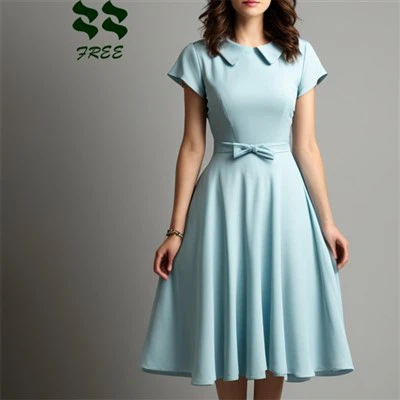
![Light Blue Dress]() Light Blue Dress* High-quality fabric: Made from premium materials, this dress offers a comfortable fit and a luxurious feel. ...read more
Light Blue Dress* High-quality fabric: Made from premium materials, this dress offers a comfortable fit and a luxurious feel. ...read more -
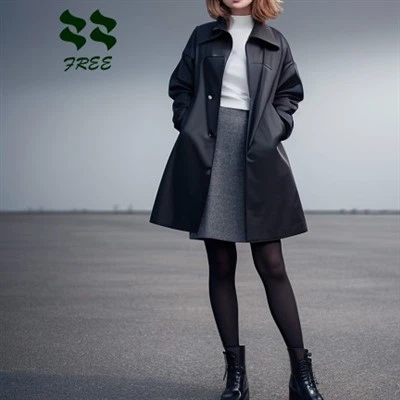
![Lapel Coat]() Lapel Coat* A lapel coat is a type of outerwear garment that features a collar with folded flaps of fabric extending from it,...read more
Lapel Coat* A lapel coat is a type of outerwear garment that features a collar with folded flaps of fabric extending from it,...read more -
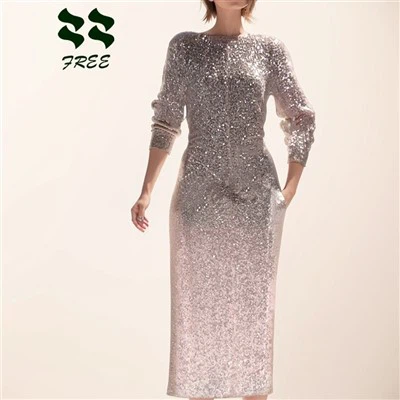
![Glittering Evening Dress]() Glittering Evening Dress* Shimmering elegance with sparkling sequins ,exquisite detailsread more
Glittering Evening Dress* Shimmering elegance with sparkling sequins ,exquisite detailsread more
* Flattering silhouette that enhances...


Send Inquiry